
Maximize Your Tax Savings with BMW Sherman Oaks: Section 179 & 168(k) Benefits
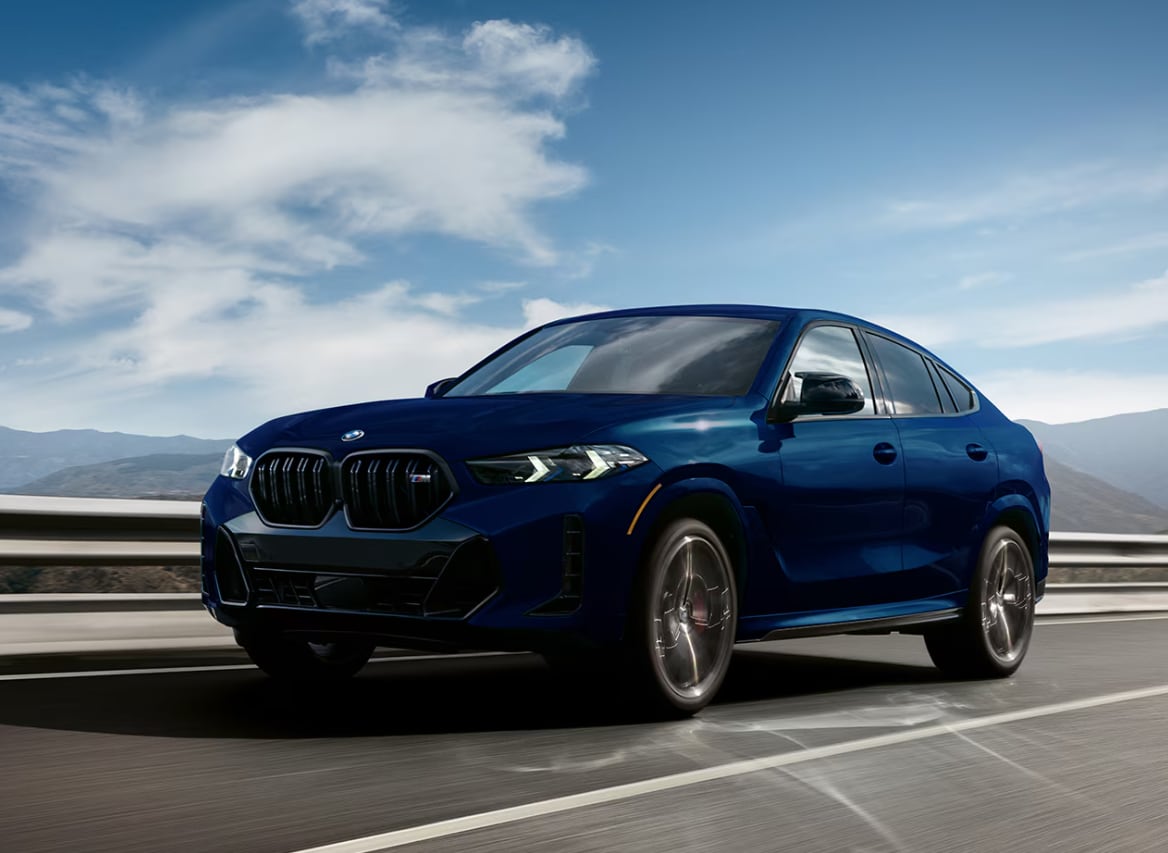
Make your next BMW purchase work smarter for your business. With the IRS Section 179 and 168(k) deductions, qualifying vehicles like the BMW X5, X6, and X7 may offer significant tax advantages for business owners. For the 2025 tax year, updates to these incentives could mean even greater savings than before. The team at BMW Sherman Oaks is here to help you navigate the details, find eligible models, and make the most of your potential tax benefits, all while upgrading your drive to pure BMW luxury.
Understanding Section 179 Tax Benefits with BMW Sherman Oaks
- Under Section 179 of the IRS tax code, businesses can deduct the full or partial purchase price of qualifying equipment-such as vehicles-purchased or financed within the tax year. The IRS categorizes eligible vehicles into three groups: Light, Heavy, and Other.
- For business owners looking to combine performance with practicality, three BMW SUVs qualify under the "Heavy" vehicle category, defined as having a Gross Vehicle Weight Rating (GVWR) of over 6,000 pounds but not exceeding 14,000 pounds. These include the BMW X5, X6, and X7-each offering the luxury, capability, and sophistication BMW is known for.
- For the 2025 tax year, Section 179 allows for a maximum deduction of up to $31,300 for qualifying "Heavy" vehicles, as long as they are purchased and placed into service before January 1, 2026, and meet all IRS requirements. The experts at BMW Sherman Oaks can help you understand which BMW models qualify and guide you through the process of maximizing your potential tax savings.
Key Requirements for Claiming a Section 179 Deduction
- The vehicle can be new or used, but it must be purchased through an arm's-length transaction (a legitimate business purchase).
- It must be financed with a qualified loan or lease, and the vehicle title must be in the company's name, not the individual owner's.
- The vehicle must be used for business purposes at least 50% of the time. If it's used partially for personal use, the deduction will be reduced based on the percentage of personal use.
- The Section 179 deduction applies only in the year the vehicle is placed into service-meaning it's ready and available for business use, even if not actively driven yet.
- Vehicles that were originally used for personal purposes and later converted to business use do not qualify for the Section 179 deduction.
Please note: Tax rules can vary based on individual circumstances. For personalized guidance, consult your tax advisor or financial professional.
IRS Section 168(k) Bonus Depreciation Explained
Disclaimer: Tax circumstances differ for every individual and business. The information provided here was accurate at the time of publication but is subject to change as federal tax laws and IRS guidelines are updated. Please consult your tax advisor for specific details and recommendations based on your business situation.
Vehicle Classification:
With Gross Vehicle Weight Ratings (GVWR) exceeding 6,000 pounds, the BMW X5, X6, and X7 SUVs qualify as "Heavy SUVs." GVWR refers to the manufacturer's maximum designated weight for the vehicle when fully loaded with passengers and cargo.
Important Reminder:
For precise guidance regarding Section 179 deductions, vehicle eligibility, and bonus depreciation, contact your tax professional.
Depreciation Schedule:
Luxury vehicle depreciation may continue into subsequent years as follows: $19,800 in year two, $11,900 in year three, and $7,160 for each following year until the vehicle is fully depreciated or sold.
Figures are based on IRS Sections 179 and 168(k) of the Internal Revenue Code, which provide additional first-year depreciation for eligible "Heavy" vehicles. Calculations assume 100% business use and that the vehicle is placed into service before January 1, 2026.
 AdChoices